Sport for development and young lives
Sport can do more than build athletes. Here is what the term means, what UN agencies and researchers have found, and where the proof is still thin.
Sport for development means using sport on purpose to reach goals beyond the game, like better health, learning and social skills. Research links youth sport to higher self-esteem and better social skills. Proof of school and job gains is thinner. Programs work best when sport comes with school support, meals and caring adults.
Facts checked and last updated November 11, 2026.
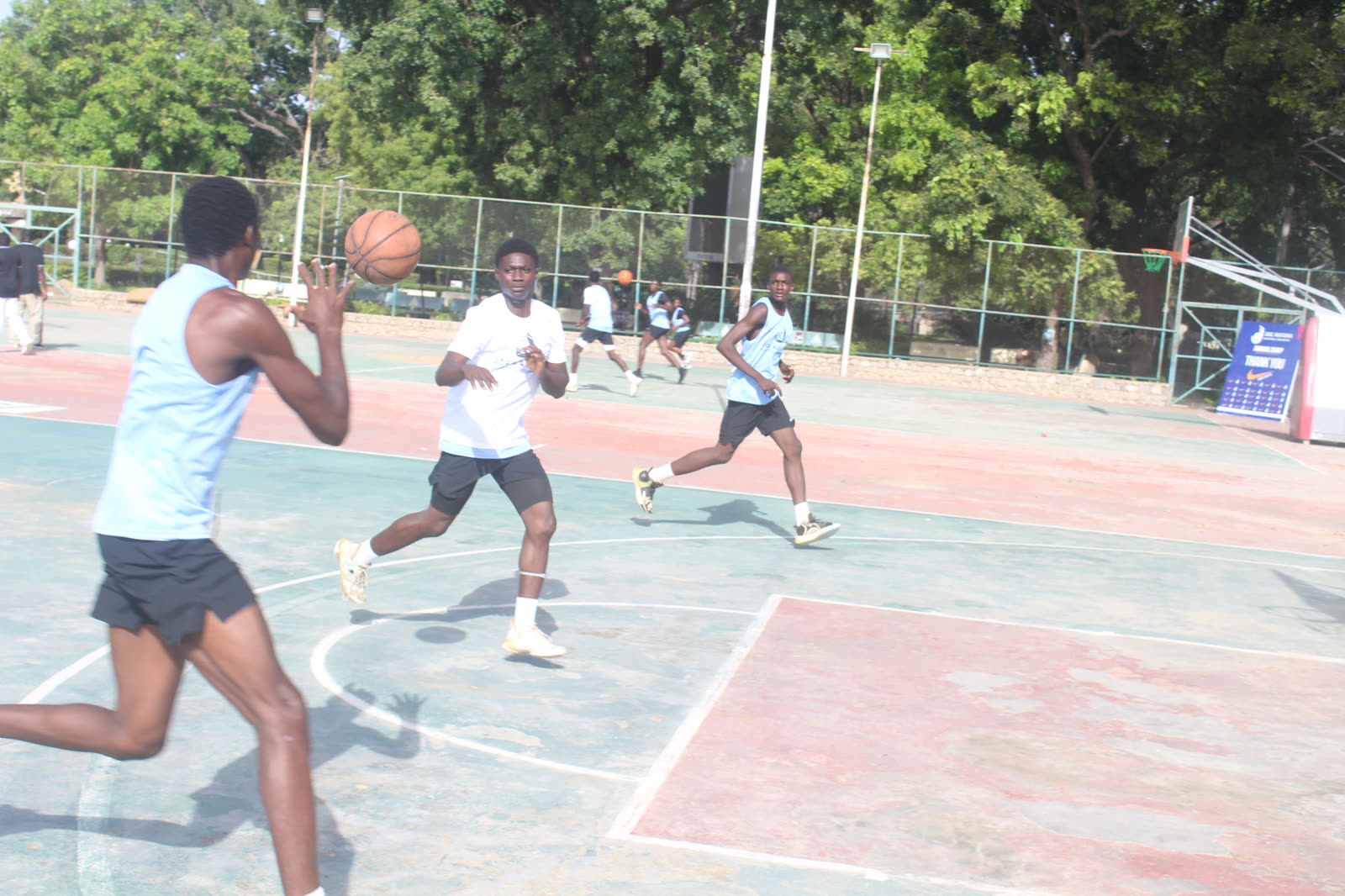
Sport for development is the planned use of sport to improve young people’s lives off the court. A good program uses games to build health, learning and life skills, not just better players. You will also see it called sports for development, or S4D.
What sport for development means
The global network sportanddev keeps its definition short. It says sport and development “refers to the use of sport as a tool for development and peace.”1 The key word is tool. The game is the means, and the goal is something bigger, like health, schooling or peace.
So a weekend league is not, by itself, sport for development. It becomes one when a program sets clear goals for young people and plans its sessions to reach them. That might be a coach who checks school reports, or a health talk after practice.
Why the UN backs sport as a development tool
The United Nations wrote sport into its global plan. The 2030 Agenda for Sustainable Development calls sport “an important enabler of sustainable development.”2 It says sport can help with health, schooling and fair treatment for all. It can also give young people more say in their own lives.2
The UN General Assembly also named 6 April the International Day of Sport for Development and Peace.3 For 2026, the UN said the day would focus on evidence of how sport adds to the 2030 Agenda.3
UNESCO, the UN agency for schools, pushes for good physical education (PE). It says good PE helps students build strong bodies, people skills and calm minds. It also says quality PE “can enhance educational and employability outcomes.”4
What studies show about sport and young people
Here is the short version. The strongest proof is for mental health and social skills. The proof for school results is positive but weaker.
Health
86%
of adolescents worldwide miss the recommended activity levels. Activity is tied to better fitness, heart, bone and mental health.5
Social skills
189
studies in one 2026 review linked sport to higher self-esteem, less anxiety and better social skills. Team sports showed the strongest links.6
Education
300+
programs in 100 countries fed a UNICEF study that found sport can improve learning. A review of 14 studies agreed, but only 2 were high quality.7, 8
Staying in school
+9%
enrolment and +8% attendance can follow school meal programs, the UN World Food Programme reports.9
Jobs: UNESCO says quality PE can improve employability. We found no solid figure on job outcomes to show here.4
The best evidence is about how young people feel and get along. A 2026 review pulled together 189 studies of children aged 5 to 17.6 Kids who played sport felt better about themselves and their lives. They showed fewer signs of depression and worry, got along better with others and felt they belonged.6
Health is the most basic gain. The World Health Organization (WHO) says 86% of teens do not move as much as they should.5 One in four teens aged 11 to 17 had no day last week with 60 minutes of hard play or exercise.5 WHO links exercise in young people to a fitter body, a healthier heart, stronger bones, sharper thinking and better mood.5
For school, UNICEF and the Barça Foundation studied data from more than 300 programs in 100 countries.7 They said sport helps kids do better at school and grow skills like leading and self-belief.7 An older review of 14 studies also found that active kids tend to do better in class.8 But only 2 of those studies were rated high quality, so the authors asked for better research.8
Food matters too. The UN World Food Programme reports that school meal programs can raise enrolment by 9% and attendance by 8%.9 A child who is fed is more likely to be in class, and on the court.
Where the evidence is still thin
Honest programs admit the gaps. In 2015, a researcher mapped the strongest studies of these programs in Africa. He found no proof either way that sport improves young lives there.10 The issue was not bad results, but a lack of strong studies.
A 2019 review of 56 studies in the United States reached a similar view. It rated the evidence as largely weak.11 It said the research is not yet strong enough to roll these programs out widely as a health fix.11
UNICEF adds another caution. It found little proof that sport keeps a child safe from abuse. Badly run sport can even put kids closer to violence.7 Many studies also rely on what kids say about themselves, which can skew results.6
What makes a sport for development program work
The research points to a few common traits. UNICEF found that strong programs bring different groups together. For example, they add school help and social support to the sport.7 Here is what to look for:
- Sport plus learning. Education and social parts are built into the program, not added later.7
- Caring, trained coaches. UNICEF says coaches play a key role in keeping children safe and away from bad influences.7
- Team play. Team sports showed stronger and more steady benefits than solo sports.6
- Honest tracking. UNICEF asks programs to keep better track of results.7
How a camp plus school support model fits
A camp plus year-round school help follows these findings closely. The camp packs sport, team play and coaching into a few busy days. The school support keeps the gains going after the camp ends.
- SportTeam play and coaching, the setting most linked to self-esteem and social skills.
- SchoolFees and study help, the education part that UNICEF says strong programs include.
- MealsRegular food, which school meal research ties to higher enrolment and attendance.
- MentorA trusted adult who keeps a young person safe and on track.
No single part does it all. Sport draws young people in, school support turns that energy into learning, meals help them show up, and mentors keep them steady. Because the evidence is still growing, a good program should also track grades, attendance and wellbeing over time.
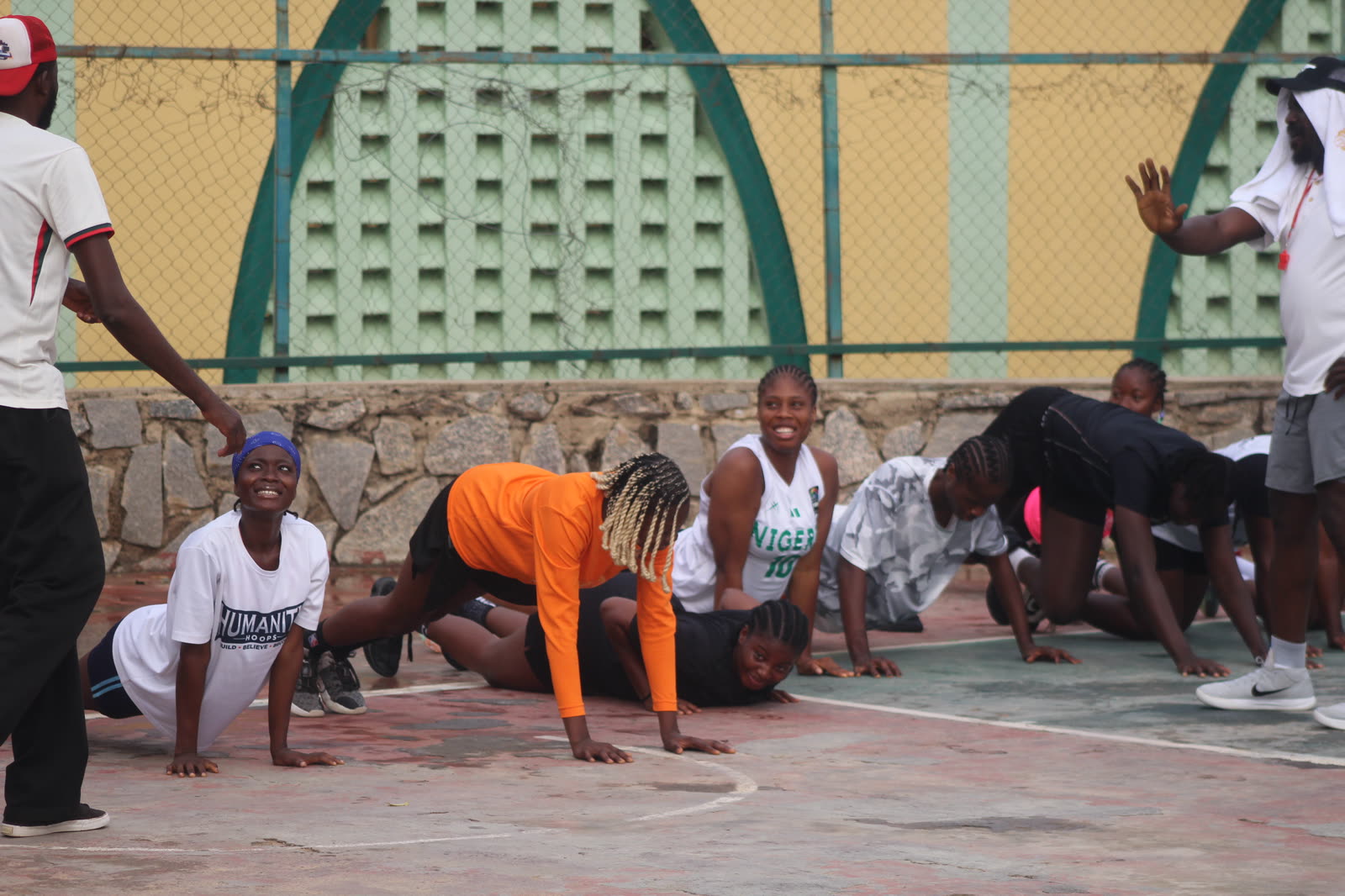
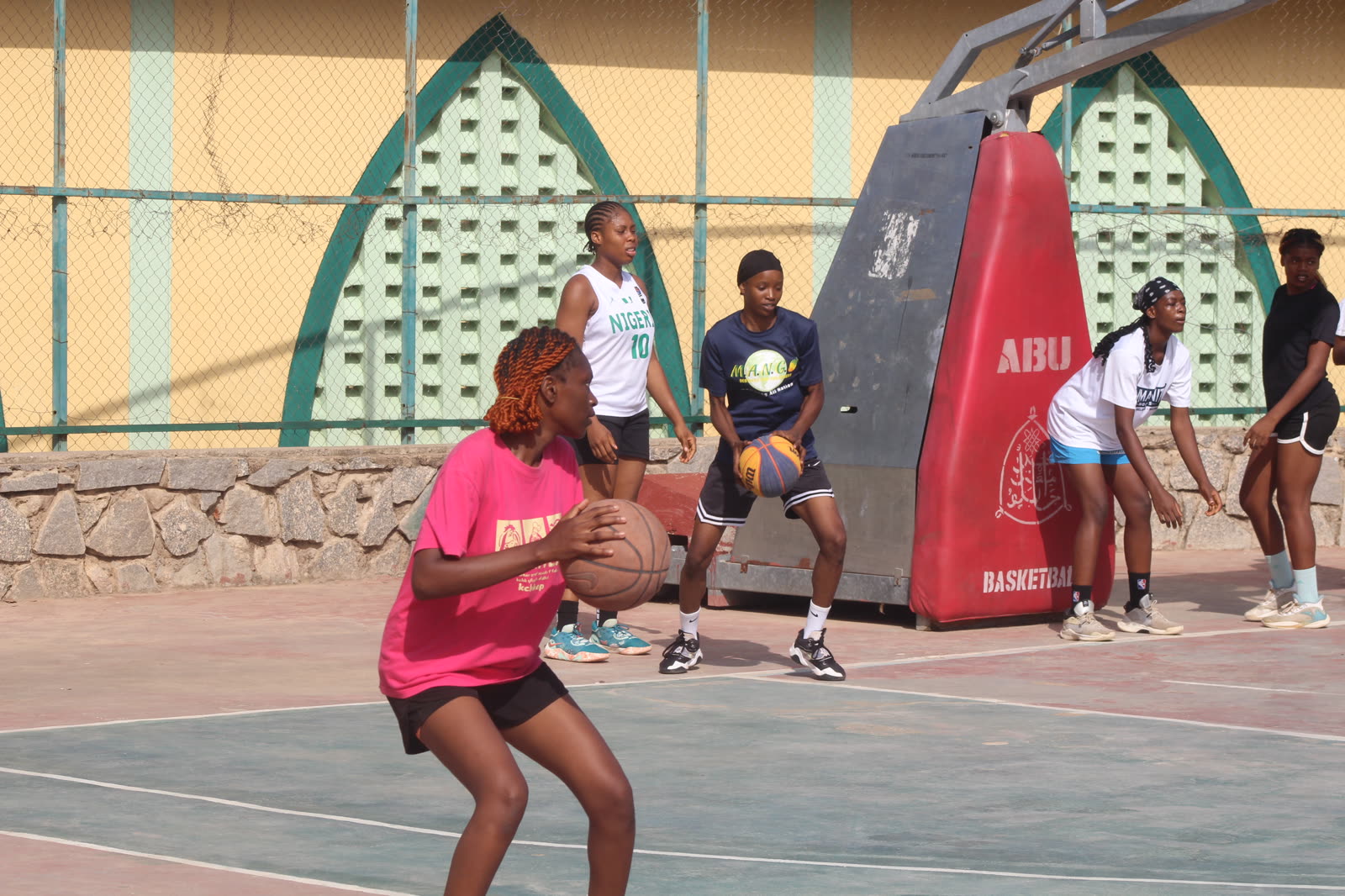
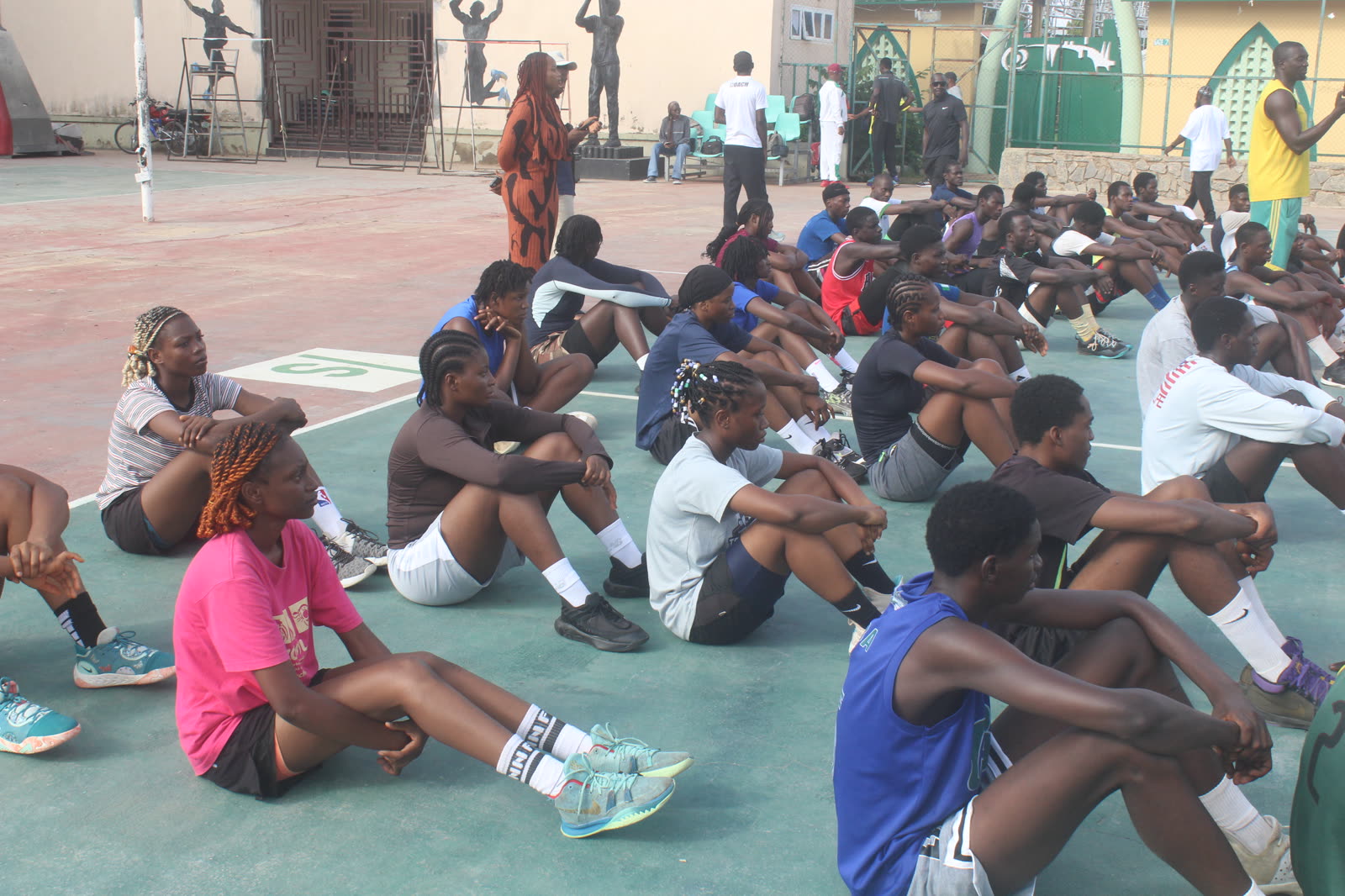
This is the model the Joe Katuka Basketball Foundation, a US 501(c)(3) founded by Coach Joe Katuka, uses in Nigeria. In June 2026 it ran a camp in Zaria with an academic seminar, a basketball clinic and camp days. A $50 monthly sponsorship covers one student’s school, meals, coaching and a mentor. See how our school, meals, coaching and mentoring programs work, or sponsor a student in Nigeria for $50 a month.
Put sport to work for one young person
Sport opens the door. School, meals and a mentor help a young person walk through it.
Want to back a program like this? Here is how to sponsor a child in Africa and check the charity first. For the game itself, read about basketball in Nigeria.
- sportanddev: What is sport and development? (accessed Nov 11, 2026)
- United Nations: Transforming our world, the 2030 Agenda for Sustainable Development (2015), paragraph 37
- United Nations: International Day of Sport for Development and Peace, 6 April (accessed Nov 11, 2026)
- UNESCO: Promoting quality physical education policy (accessed Nov 11, 2026)
- World Health Organization: Physical activity fact sheet (Nov 4, 2026)
- Systematic Reviews: Wade et al., The impact of sports participation on psychological health and social outcomes in children and adolescents (2026)
- UNICEF: Participation in sport can improve children’s learning and skills development, new Barça Foundation and UNICEF report finds (Mar 28, 2019)
- Archives of Pediatrics & Adolescent Medicine: Singh et al., Physical activity and performance at school, a systematic review (2012)
- World Food Programme: Almost half of school children get free meals, report shows (Mar 21, 2023)
- South African Review of Sociology: Langer, Sport for development, a systematic map of evidence from Africa (2015)
- BMC Public Health: Whitley et al., Sport-based youth development interventions in the United States, a systematic review (2019)